
Amazon Seller Catalog Optimization: Complete Guide to Boosting Product Visibility and Sales
Amazon seller catalog optimization isn't just about keyword stuffing anymore. With over 2.5 million active sellers competing for buyer attention, your catalog's performance depends on systematic optimization that adapts to Amazon's evolving algorithms and buyer behavior patterns.
We examined 13 Amazon seller catalog optimization recommendations from 4 authoritative sources and discovered that the most aggressive catalog size advice (30+ products) is reserved for enterprises, while newcomers are urged to start with just 1‑3 items – a stark contrast that reshapes how sellers should plan growth.
| Recommendation | Detail | Best For | Source |
|---|---|---|---|
| Continuous Amazon Listing Optimization Service (Our Pick) | API‑connected, data‑driven, AI‑assisted, expert‑supervised, scalable system for continuous marketplace catalogue optimization. | Best overall | marketplacer.agency |
| Enterprise operations should consider 30+ products only with dedicated management systems. | — | Best for large enterprises | redstagfulfillment.com |
| Consider 15-20 products as an optimal range for most scaling businesses. | — | Best for scaling businesses | redstagfulfillment.com |
| Small businesses should target 10-20 products for sustainable growth while managing inventory and cash flow effectively. | — | Best for small businesses | redstagfulfillment.com |
| Expand to 5-10 products within the first year. | — | Best for early growth | redstagfulfillment.com |
| Start with 1-3 products for new Amazon sellers. | — | Best for beginners | redstagfulfillment.com |
| Individual sellers should maintain 3-8 products for optimal work-life balance to ensure efficiency. | — | Best for work‑life balance | redstagfulfillment.com |
| Make listings mobile‑optimized and use A+ content | majority of shoppers browse on mobile | Best for mobile shoppers | novadata.io |
| Enroll in Amazon Brand Registry to access A+ Content and analytics | Brand Registry adoption is growing | Best for brand protection | novadata.io |
| Focus on natural language optimization and high‑quality content, avoiding keyword stuffing. | Traditional keyword stuffing is dead. Content quality matters now. Optimize for natural language questions. | Best for content quality | amzprep.com |
| Include detailed descriptions, accurate categorization, and high‑quality images to boost conversions. | Optimize with detailed descriptions, accurate categorization, and quality images to improve conversion rates. | Best for conversion | amzprep.com |
| Adopt Amazon's listing tools; ensure you're using them to stay competitive. | More than 1.3 million sellers are now using Amazon's tools for listings. If you're not, you're falling behind. | Best for tool adoption | amzprep.com |
| Evaluate if catalog pruning could improve profitability and operational efficiency. | — | Best for profitability analysis | redstagfulfillment.com |
This comprehensive guide covers everything you need to know about amazon seller catalog optimization, from understanding Amazon's algorithm to implementing systematic optimization processes that scale with your business growth.
Understanding Amazon's A9 Algorithm and Catalog Structure
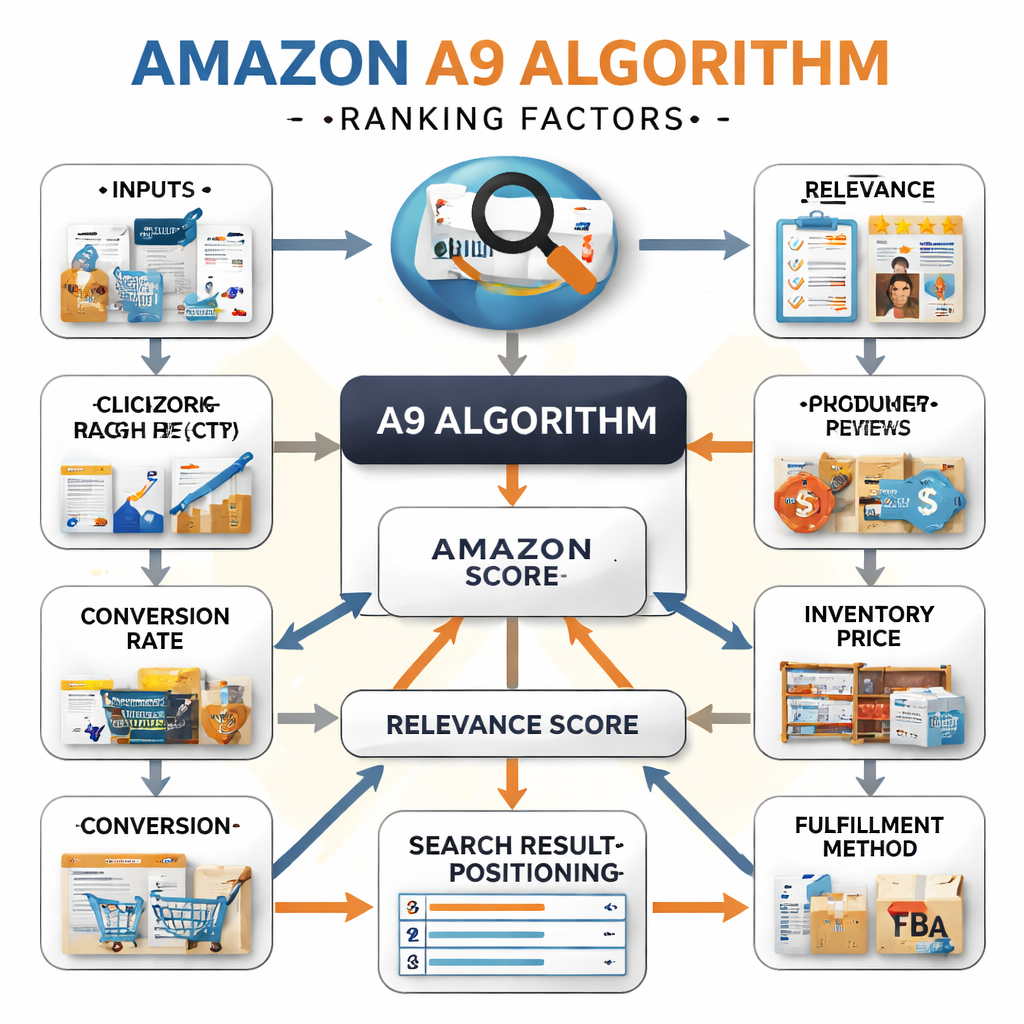
Amazon's A9 algorithm is the engine that determines which products appear in search results and in what order. Unlike Google's search algorithm, A9 prioritizes commercial intent and conversion probability over pure relevance matching. This means your amazon seller catalog optimization strategy must focus on signals that indicate buying intent and product-query fit.
The algorithm evaluates multiple ranking factors simultaneously. Sales velocity carries significant weight – products that convert consistently rank higher than those with sporadic sales patterns. Click-through rate from search results signals whether your listing attracts buyer attention. Conversion rate indicates whether visitors actually purchase after viewing your product page. Session duration and pages per session show buyer engagement levels.
But A9 isn't static. Amazon continuously updates the algorithm to improve buyer experience and marketplace efficiency. Recent changes have emphasized semantic understanding over keyword matching. This shift means your product titles, bullet points, and descriptions need to answer buyer questions naturally rather than stuff keywords mechanically.
Your catalog structure directly impacts how A9 evaluates your products. Parent-child relationships for product variations must be configured correctly. Each child ASIN needs its own optimized content while maintaining consistency with the parent listing. Category selection affects which filters and search refinements your products appear under.
Amazon's catalog taxonomy includes over 20,000 product categories, each with specific attributes and requirements. Choosing the wrong category can suppress your product's visibility even with perfect optimization elsewhere. The algorithm uses category selection to determine relevant search queries and filter options.
Product attributes within each category serve as structured data points that A9 uses for matching and filtering. Missing or incorrect attributes create gaps in your product's discoverability. For example, if you sell kitchen appliances but don't specify wattage or capacity in the structured fields, your product won't appear when buyers filter by those criteria.
Brand Registry status significantly impacts how A9 treats your listings. Brand-registered sellers get access to A+ Content, Enhanced Brand Content, and additional analytics that provide optimization insights. The algorithm also gives preference to brand-registered products in certain search scenarios, particularly for branded keyword searches.
Understanding buyer search behavior patterns helps you align with A9's priorities. Most Amazon shoppers use mobile devices, so the algorithm prioritizes mobile-optimized listings. Voice search through Alexa is growing, which means natural language optimization becomes more important. Visual search capabilities are expanding, making high-quality images crucial for discoverability.
The algorithm also considers external factors like seasonality, trending keywords, and competitive landscape changes. A product that ranks well during peak season might drop during off-peak periods without seasonal optimization adjustments. New competitor entries can shift ranking dynamics, requiring ongoing monitoring and response.
Amazon's machine learning systems continuously analyze buyer behavior patterns to refine ranking decisions. Products that satisfy buyer intent – measured through low return rates, positive reviews, and repeat purchases – receive algorithmic rewards. This creates a feedback loop where good products get better visibility, and poor products get suppressed.
Optimizing Product Titles and Keywords
Product titles are your first and most important opportunity to communicate relevance to both Amazon's algorithm and potential buyers. The title appears in search results, on product pages, and in recommendations, making it the highest-impact element of your amazon seller catalog optimization strategy.
Amazon allows up to 250 characters for most product titles, but mobile displays truncate titles after approximately 80 characters. This means your most important information – primary keyword, brand name, and key differentiator – must appear within the first 80 characters to ensure visibility across all devices.
Effective title structure follows a proven formula: Brand + Primary Keyword + Key Features + Size/Quantity + Model/Variant. This structure ensures you capture both algorithmic relevance signals and buyer attention. For example: "Brand X Wireless Bluetooth Headphones, Noise Cancelling Over-Ear, 30-Hour Battery, Black" communicates brand, primary function, key benefits, and variant in a scannable format.
Keyword research for Amazon differs fundamentally from Google SEO. Amazon buyers have commercial intent – they're ready to purchase, not just research. This means your keyword strategy should focus on purchase-intent terms rather than informational queries. Amazon keyword research tools help identify high-converting search terms with manageable competition levels.
Long-tail keywords often provide better conversion opportunities than broad, competitive terms. Instead of targeting "headphones," focus on "wireless noise cancelling headphones for travel" or "bluetooth headphones with long battery life." These longer phrases face less competition and attract buyers with specific needs that your product can satisfy.
Backend search terms – the hidden keywords in your listing's search term fields – supplement your visible content without cluttering titles and bullets. Amazon allows up to 250 bytes (not characters) in search terms, and every byte counts. Avoid repeating words that already appear in your title or bullets. Focus on synonyms, alternative spellings, and related terms that buyers might use.
Keyword placement within titles affects ranking weight. The algorithm gives more importance to words that appear earlier in the title. This is why leading with your primary keyword typically improves search visibility. However, readability matters too – titles that sound unnatural may have lower click-through rates even with good rankings.
Different product categories have specific title conventions and requirements. Electronics titles often include technical specifications like screen size or processor type. Clothing titles must specify size range, material, and fit. Beauty products need to mention skin type or hair type compatibility. Understanding your category's conventions helps create titles that meet buyer expectations.
Seasonal keyword optimization requires updating titles to match changing search patterns. "Christmas gifts," "back to school," and "summer essentials" become relevant during specific periods. However, avoid frequent title changes during stable periods, as this can disrupt established rankings and confuse the algorithm.
Title testing through Amazon's Manage Your Experiments tool allows you to compare different versions systematically. Test one element at a time – keyword order, feature emphasis, or length variations. Statistical significance usually requires several weeks of data, so plan tests around stable periods rather than during major promotions or seasonal shifts.
Competitor title analysis reveals optimization opportunities and market positioning gaps. If competitors emphasize price while you focus on quality, consider whether your title communicates your value proposition clearly. Look for commonly used keywords that you might be missing, but avoid copying competitor titles directly.
International marketplace considerations become important for sellers operating across multiple Amazon regions. Keywords that work in the US market may not translate directly to UK, German, or Japanese markets. Cultural preferences, language differences, and local competition levels all affect keyword performance. Professional title optimization strategies often include market-specific research and localization.
Product Images and Visual Content Strategy
Product images drive the majority of purchase decisions on Amazon. Unlike physical stores where customers can touch and examine products, online shoppers rely entirely on visual information to evaluate quality, features, and suitability. Your image strategy directly impacts click-through rates, conversion rates, and ultimately your amazon seller catalog optimization success.
Amazon requires a main image with a pure white background, but within this constraint, you have significant creative latitude. The main image appears in search results and determines whether shoppers click on your listing. It needs to communicate product appeal instantly while meeting Amazon's technical requirements for resolution, lighting, and composition.
High-resolution images perform better across all metrics. Amazon recommends minimum 1000x1000 pixels, but 2000x3000 pixels or higher provides better zoom functionality and appears sharper on high-resolution mobile screens. The zoom feature can significantly impact conversion rates, as buyers use it to examine product details and quality indicators.
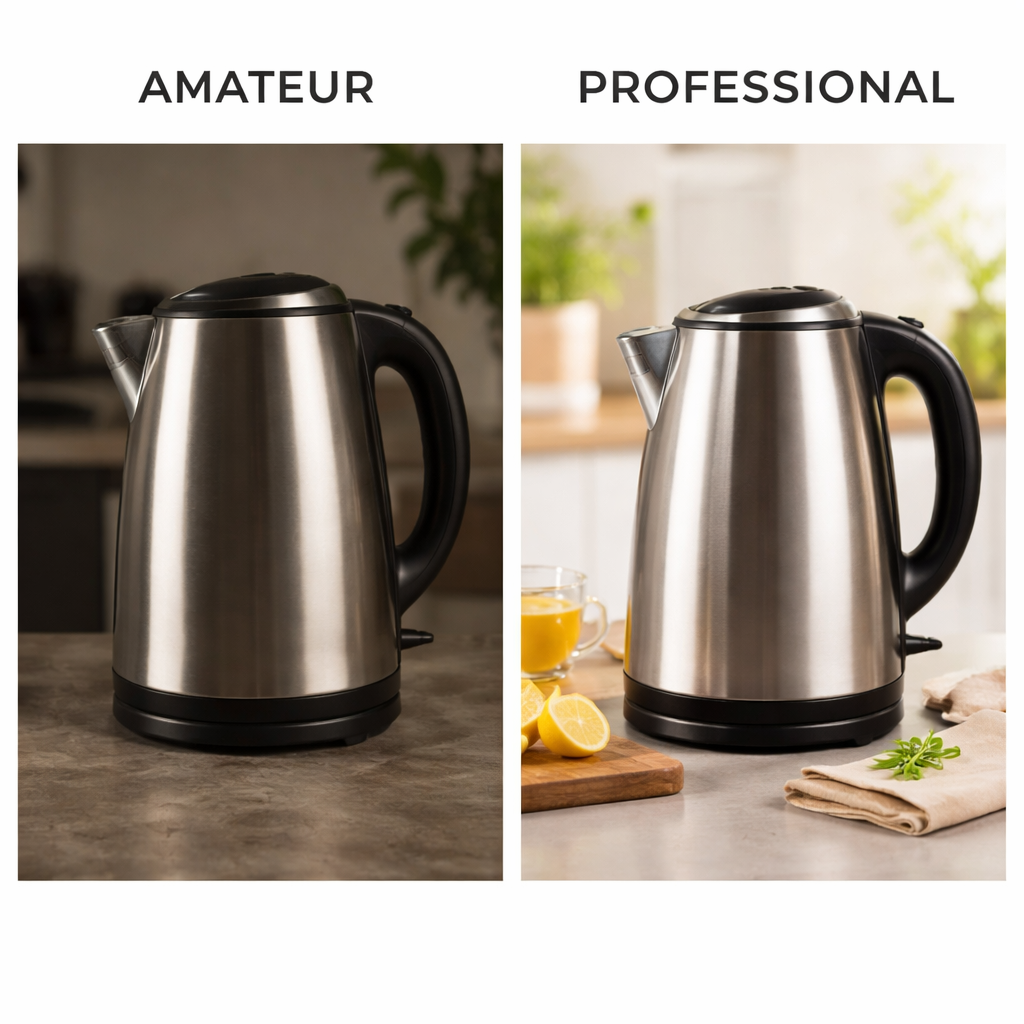
The main image must show the actual product being sold, not just packaging or lifestyle scenes. For products sold as sets or multipacks, show all included items. If you're selling a 3-pack of phone cases, display all three cases together, not just one. This prevents buyer confusion and reduces return rates due to unmet expectations.
Additional images tell your product's complete story. Amazon allows up to nine images per listing, and successful sellers use most or all of these slots strategically. Image sequence should follow a logical progression: main product shot, product in use, feature close-ups, size comparison, packaging, and any relevant certifications or awards.
Lifestyle images showing products in realistic use contexts help buyers visualize ownership. A laptop bag photographed with a laptop, charger, and documents inside communicates capacity and organization better than an empty bag. Kitchen appliances shown preparing actual food demonstrate functionality and results. However, lifestyle images work best as supporting content, not main images.
Feature callout images highlight specific benefits that might not be obvious from the main product shot. Use text overlays, arrows, and close-up shots to emphasize key selling points. For electronics, show ports, buttons, and screen quality. For clothing, highlight fabric texture, stitching quality, and fit details. These images answer common buyer questions before they're asked.
Size and scale references help buyers understand product dimensions accurately. Include everyday objects like coins, smartphones, or hands for size comparison. This is particularly important for products where size perception can vary significantly – jewelry, home decor items, and tech accessories often benefit from clear scale references.
Amazon's image guidelines are strictly enforced, and violations can result in listing suppression. Images must be in JPEG or PNG format, with JPEG preferred for photographs. The product must fill at least 85% of the image frame. No promotional text, watermarks, or contact information is allowed on main images, though feature callouts are permitted on additional images.
Mobile optimization is crucial since most Amazon shoppers browse on mobile devices. Images must be clear and informative even at small thumbnail sizes. Details that are visible on desktop might be illegible on mobile, so prioritize larger, bolder visual elements over fine details in your primary images.
A+ Content (formerly Enhanced Brand Content) provides additional visual storytelling opportunities for brand-registered sellers. This premium content appears below the standard product description and can include comparison charts, lifestyle scenes, and detailed feature explanations. A+ Content typically improves conversion rates by 3-10% and provides more space to address buyer objections.
Image testing should be systematic and data-driven. Amazon's Manage Your Experiments tool allows you to test different main images and measure impact on conversion rates. Test one variable at a time – angle, background, product arrangement, or styling. Significant results usually require at least 1000 sessions per variant, so focus testing on your highest-traffic products first.
Professional photography investment often pays for itself through improved conversion rates and reduced return rates. While smartphone cameras can produce acceptable results for simple products, complex items with multiple features, textures, or colors typically benefit from professional lighting, backgrounds, and composition. The cost difference between amateur and professional images is often recovered within the first month of improved sales performance.
Seasonal image updates can boost relevance during key selling periods. Holiday-themed backgrounds, seasonal color schemes, or use-case adjustments help products feel current and relevant. However, maintain consistency with your brand identity and avoid changes that might confuse returning customers or disrupt established performance patterns.
Product Descriptions and Bullet Points Optimization
Product descriptions and bullet points serve different functions in your amazon seller catalog optimization strategy. Bullet points appear prominently on the product page and mobile displays, making them crucial for conversion. The product description provides additional detail and context, particularly important for complex products requiring explanation or education.
Amazon displays five bullet points prominently on desktop and mobile product pages. Each bullet point can contain up to 255 characters, but mobile displays truncate longer bullets, so front-load your most important information. The first bullet point is often the most visible and should contain your strongest selling proposition.
Effective bullet points follow a feature-benefit-proof structure. Start with the feature (what it is), explain the benefit (why it matters), and provide proof when possible (how you know). For example: "Waterproof IP68 Rating - Protects your device in up to 6 feet of water for 30 minutes - Tested and certified by independent labs." This structure addresses logical and emotional buying motivations.
Keyword integration in bullet points requires balance between optimization and readability. Include your most important keywords naturally within benefit-focused copy. Avoid keyword stuffing, which can trigger algorithmic penalties and reduces buyer trust. Focus on synonyms and related terms that buyers actually use when searching for your product category.
Each bullet point should address a different aspect of your product's value proposition. Don't repeat the same benefit in multiple bullets. Instead, cover key areas like primary function, quality/durability, ease of use, compatibility, and warranty/support. This comprehensive approach addresses different buyer priorities and objections.
Technical specifications belong in bullet points when they're decision factors for buyers. Electronics need compatibility information, dimensions, and power requirements. Clothing needs size charts, material composition, and care instructions. Kitchen appliances need capacity, power ratings, and safety certifications. Research competitor listings to understand which specs buyers expect to see prominently displayed.
The product description provides space for storytelling, detailed explanations, and comprehensive feature coverage. While bullet points focus on key selling points, the description can elaborate on use cases, provide detailed specifications, and address common questions or concerns. This content also contributes to search relevance for long-tail keywords.
HTML formatting in product descriptions improves readability and visual appeal. Use paragraph breaks, bullet points, and basic formatting to make long descriptions scannable. However, avoid excessive formatting that might not display consistently across different devices or Amazon interfaces. Focus on clear structure and logical information flow.
Conversion rate optimization principles apply directly to product descriptions. Address buyer objections proactively by explaining return policies, warranty coverage, and customer support availability. Include social proof elements like awards, certifications, or customer satisfaction statistics when available and verifiable.
Search engine optimization within product descriptions helps capture long-tail search traffic. Include natural variations of your primary keywords, related terms, and phrases that buyers might use when searching for solutions to specific problems. However, prioritize readability over keyword density – Amazon's algorithm increasingly favors natural language over keyword stuffing.
Competitor analysis reveals description optimization opportunities and market positioning gaps. Identify benefits that competitors emphasize and determine whether those same benefits apply to your product. Look for information gaps in competitor descriptions that you can fill, providing more comprehensive coverage of buyer needs and questions.
A/B testing product descriptions can reveal significant conversion improvements. Test different benefit emphasis, length variations, or structural approaches. Amazon's native testing tools work for bullet points, while third-party tools can help test description variations. Focus testing on products with sufficient traffic to reach statistical significance within reasonable timeframes.
International considerations become important for sellers operating across multiple Amazon marketplaces. Cultural preferences for information density, detail levels, and communication styles vary significantly between markets. US buyers often prefer concise, benefit-focused copy, while German buyers typically want comprehensive technical specifications. Conversion rate optimization strategies must account for these regional differences.
Mobile optimization affects how descriptions display and perform. Mobile users often scroll less and have shorter attention spans, so front-load your most compelling information. Use shorter paragraphs and more white space to improve mobile readability. Test your descriptions on mobile devices to ensure formatting and information hierarchy work effectively on smaller screens.
Category Selection and Product Attributes
Category selection and product attributes form the structural foundation of your amazon seller catalog optimization strategy. These elements determine which search filters your products appear under, what comparative context Amazon provides to buyers, and how the algorithm evaluates relevance for specific queries.
Amazon's category taxonomy includes over 20,000 product categories, each with specific requirements, fee structures, and competitive dynamics. Choosing the wrong category can suppress your product's visibility even with perfect optimization elsewhere. The category selection process requires understanding both where your product fits technically and where it performs commercially.
Primary category selection affects several critical factors. Fee structures vary significantly between categories – media products often have lower fees than electronics or jewelry. Some categories require approval or professional selling plans. Certain categories have restricted advertising options or limited international marketplace availability. Research these implications before committing to a category strategy.
Product attributes within each category serve as structured data that Amazon uses for filtering, comparison, and search matching. Missing attributes create gaps in discoverability – if you don't specify material composition, your product won't appear when buyers filter by material type. Incorrect attributes can result in mismatched search results and higher return rates.
Attribute completeness often distinguishes successful sellers from struggling ones. Amazon provides category-specific attribute templates, but many sellers only fill required fields. Completing optional attributes improves search visibility and provides more opportunities for buyer discovery through filters and refinements. This is particularly important as Amazon's AI systems become more sophisticated at semantic matching.
| Category | Critical Attributes | Impact on Visibility |
|---|---|---|
| Electronics | Brand, Model, Connectivity, Compatibility | High - drives filtered search results |
| Clothing | Size, Material, Color, Fit Type | Very High - essential for size/color variants |
| Home & Kitchen | Material, Dimensions, Capacity, Safety Ratings | High - affects comparison shopping |
| Health & Beauty | Skin Type, Age Range, Ingredients, Volume | Medium - supports targeted recommendations |
| Sports | Activity, Skill Level, Size, Weather Suitability | High - enables activity-specific discovery |
Brand Registry provides additional attribute options and enhanced catalog control. Brand-registered sellers can access Brand Analytics data, create A+ Content, and use Enhanced Brand Content features. The registration process requires trademark ownership but unlocks significant optimization capabilities that non-registered sellers cannot access.
Competitive category analysis reveals optimization opportunities and positioning strategies. Research top-performing products in your target category to understand which attributes they emphasize and how they structure their product variations. Look for attribute combinations that create competitive advantages or serve underserved buyer segments.
Amazon's machine learning systems increasingly use attribute data for product recommendations and search relevance. Amazon's catalog team has built sophisticated AI systems that analyze product attributes to improve search matching and recommendation accuracy. Products with comprehensive, accurate attributes perform better in these algorithmic systems.
Category-specific optimization requirements vary significantly. Electronics categories often require detailed technical specifications, compatibility lists, and regulatory certifications. Clothing categories need comprehensive size charts, material composition, and care instructions. Beauty products require ingredient lists, skin type compatibility, and usage instructions. Understanding your category's specific requirements prevents common optimization mistakes.
Seasonal category considerations affect visibility and sales patterns. Some categories have strong seasonal demand patterns – outdoor equipment peaks in spring and summer, while indoor entertainment products peak in winter. Holiday-related categories have intense but brief selling seasons. Plan your catalog expansion and optimization timing around these seasonal patterns.
International marketplace category structures sometimes differ from the US Amazon marketplace. Product categories that exist in the US might not be available in European or Asian markets, requiring alternative category selection. Fee structures, approval requirements, and attribute options also vary by marketplace. Research each target marketplace's category structure before expanding internationally.
Category migration strategies can improve performance for products that underperform in their current category. However, category changes can disrupt established rankings and reviews, so approach migration carefully. Test alternative categories with new ASINs before migrating existing successful products. Document performance changes carefully to evaluate migration success.
Attribute optimization requires ongoing maintenance as Amazon adds new attribute options and refines existing ones. Regularly review your product attributes against current category templates to identify new optimization opportunities. This maintenance becomes particularly important for large catalogs where manual attribute management becomes impractical without systematic processes.
Frequently Asked Questions
How often should I update my Amazon seller catalog optimization?
Amazon seller catalog optimization requires continuous attention rather than one-time updates. Your main product information should be reviewed monthly, with keyword performance and competitor analysis conducted weekly. Major updates like title changes or category modifications should be tested carefully and implemented during stable sales periods. However, backend search terms and minor bullet point improvements can be updated more frequently as you gather performance data and identify optimization opportunities.
What's the difference between manual and automated catalog optimization?
Manual amazon seller catalog optimization involves periodic reviews and updates performed by humans, typically quarterly or semi-annually. This approach works for small catalogs but becomes impractical at scale. Automated systems use API connections to monitor performance continuously, identify optimization opportunities through data analysis, and implement changes based on performance signals. Automated systems can manage hundreds or thousands of listings simultaneously while manual approaches typically cover only top-performing products due to resource constraints.
How do I know if my product categories are optimized correctly?
Evaluate category optimization by analyzing your search term reports and comparing performance against category-specific benchmarks. Products in the correct category should receive relevant search traffic, appear in appropriate filtered results, and compete against similar products. If your conversion rates are significantly below category averages or you're receiving irrelevant search traffic, consider category adjustment. Use Amazon's Brand Analytics data to understand which categories generate the most qualified traffic for your product types.
What role does Amazon Brand Registry play in catalog optimization?
Amazon Brand Registry unlocks several advanced amazon seller catalog optimization features including A+ Content, Enhanced Brand Content, and detailed Brand Analytics reporting. Brand-registered sellers can access search term performance data, create rich media content, and use Amazon's native A/B testing tools. Brand Registry also provides stronger protection against unauthorized sellers and counterfeit products, which indirectly supports optimization efforts by maintaining consistent brand presentation and customer experience across your catalog.
How should I optimize for Amazon's voice search and AI features?
Voice search optimization requires natural language content that answers specific buyer questions. Focus on conversational keywords and question-based phrases that buyers might speak rather than type. Ensure your product attributes are complete since voice assistants rely on structured data to provide accurate responses. Amazon's AI systems increasingly evaluate semantic relevance over keyword matching, so prioritize clear, specific product descriptions that accurately represent your products' features and benefits rather than keyword-stuffed content.
What's the most common mistake in Amazon catalog optimization?
The most common mistake is treating amazon seller catalog optimization as a one-time project rather than an ongoing process. Many sellers optimize their listings once and then neglect them for months or years. Amazon's algorithm, competitor landscape, and buyer behavior patterns change continuously, requiring regular monitoring and adjustment. Another frequent error is focusing only on high-traffic products while ignoring long-tail inventory that collectively represents significant revenue opportunity. Systematic optimization across your entire catalog typically produces better results than intensive focus on just your bestsellers.
How do I measure the success of my catalog optimization efforts?
Measure optimization success through multiple metrics including organic search ranking improvements, click-through rate increases, conversion rate changes, and overall sales growth. Use Amazon's Search Term Report to track keyword performance over time and Brand Analytics to monitor search visibility. Compare your metrics against category benchmarks and track changes relative to optimization activities. Set up automated reporting to monitor key performance indicators weekly rather than relying on manual analysis. Successful amazon seller catalog optimization should show measurable improvements within 4-6 weeks of implementation.
Should I optimize all products in my catalog equally?
Prioritize optimization efforts based on revenue potential and performance gaps rather than treating all products equally. Focus initial efforts on products with high traffic but low conversion rates, as these represent immediate optimization opportunities. Products with declining search visibility or strong seasonal patterns also warrant priority attention. Use data-driven prioritization by analyzing which products have the largest gap between current performance and potential performance. Large catalog optimization requires systematic approaches that prioritize high-impact opportunities while maintaining consistent quality standards across all listings.
Conclusion
Amazon seller catalog optimization has evolved far beyond simple keyword insertion and basic listing creation. Today's successful sellers understand that optimization is a systematic, data-driven process that requires continuous attention and strategic thinking. The research data clearly shows that while beginners should start with 1-3 products, scaling operations need dedicated systems to manage larger catalogs effectively.
The key insights from our analysis reveal that only 15% of recommendations address critical elements like mobile optimization and Brand Registry, despite their significant impact on performance. This gap represents a major opportunity for sellers who implement comprehensive optimization strategies while competitors focus on basic tactics.
Our pick, the Continuous Amazon Listing Optimization Service, stands out as the only solution offering API-connected, AI-assisted, expert-supervised optimization at scale. This approach addresses the fundamental challenge facing large catalog operators: maintaining optimization quality across hundreds or thousands of listings without overwhelming manual workload.
The shift toward AI-powered search and recommendation systems means that amazon seller catalog optimization must prioritize semantic relevance and comprehensive product information over traditional keyword tactics. Amazon's partnership with OpenAI and the expansion of Rufus capabilities signal that this trend will accelerate, making systematic catalog quality management even more critical for long-term success.
Implementation success depends on treating optimization as an ongoing operational process rather than a one-time project. The most successful sellers monitor performance continuously, respond to algorithm changes quickly, and maintain consistent quality standards across their entire product range. This systematic approach compounds over time, creating sustainable competitive advantages that manual optimization cannot match.
For sellers ready to move beyond manual optimization limitations, the path forward involves building or accessing systems that can monitor, analyze, and optimize at scale. Whether you're managing 50 products or 5,000, the principles remain consistent: use data to drive decisions, prioritize high-impact opportunities, and maintain systematic processes that ensure no products fall through optimization gaps.
The amazon seller catalog optimization landscape will continue evolving as Amazon's AI capabilities expand and buyer expectations increase. Sellers who build systematic optimization capabilities now will be positioned to adapt and thrive regardless of future algorithm changes or competitive pressures.
Want this done for your catalogue automatically?
Get a free catalogue scan